This article is independently written by the BoostBusinessUK editorial team. It may contain affiliate links — we earn a commission at no extra cost to you if you sign up through our links.
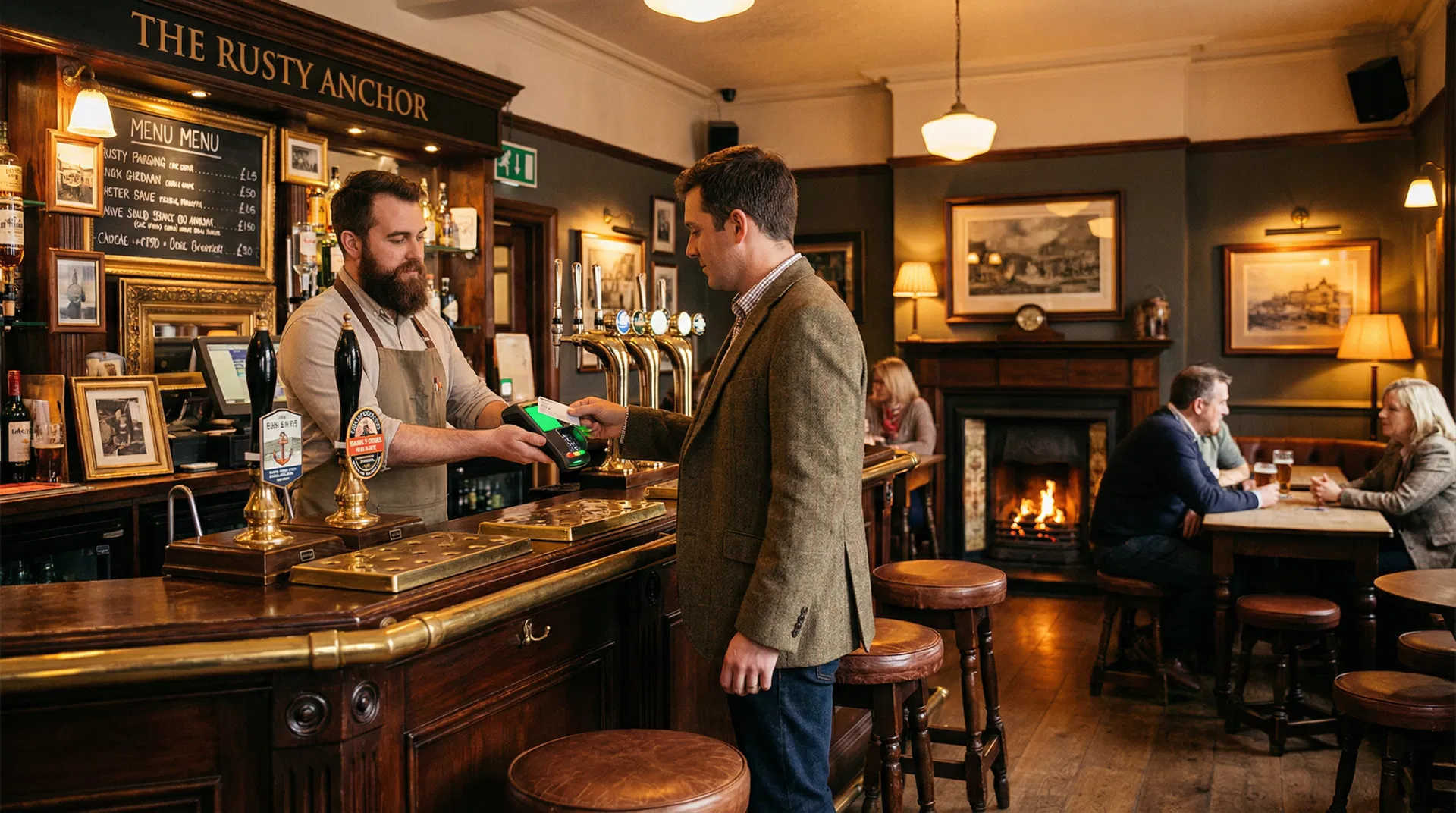
How to Grow Your Bar Business in the UK
Proven strategies to increase revenue, attract more customers, and boost profit margins - including how to eliminate payment processing fees entirely with Lopay's low-fee program.
Key Growth Strategies for Bars
Growing a successful bar business in the UK requires a strategic approach that combines operational excellence, customer satisfaction, and smart financial management. The most successful bars implement these proven growth strategies to scale their operations and increase profitability.
Marketing Tactics That Work for Bars
Effective marketing is essential for attracting new customers and building brand awareness in the competitive UK bar market. These marketing tactics have been proven to deliver results for bars across the country, helping them stand out from competitors and reach their target audience effectively.
Customer Retention Strategies
Retaining existing customers is significantly more cost-effective than acquiring new ones. For bars, building customer loyalty translates directly into predictable revenue and positive word-of-mouth referrals. Implementing these retention strategies will help you create a loyal customer base that returns again and again.
Social Media Marketing for Bars
Social media has become an essential marketing channel for bars in the UK. With the right strategy, you can reach thousands of potential customers, build brand awareness, and drive bookings or sales directly through social platforms. These social media tips are specifically tailored for the bar industry.
Boost Profit Margins with the UK's Lowest Payment Fees
Success Story: The Copper Still
By implementing the growth strategies outlined in this guide, The Copper Still transformed their business operations and achieved remarkable results. They focused on customer retention, leveraged social media marketing effectively, and switched to Lopay's low-cost payment processing to boost their profit margins significantly.
Frequently Asked Questions
Opening a bar in the UK typically costs between £50,000 and £300,000 depending on size, location, concept, and whether you're leasing or purchasing property. A small neighborhood pub or wine bar might start at £50,000-£100,000 for lease deposit, basic renovations, bar equipment, initial stock, and licenses. A mid-sized cocktail bar or craft beer bar in a city center typically requires £100,000-£200,000 for commercial lease, full renovation and interior design, professional bar equipment, extensive initial stock, and marketing. High-end cocktail bars or large venues may require £200,000-£500,000 or more. Key costs include commercial property lease or purchase, renovation and interior design (£20,000-£100,000), bar equipment and furniture (£15,000-£50,000), initial stock and inventory (£5,000-£20,000), licenses and insurance (£3,000-£8,000), point-of-sale systems (£2,000-£8,000), and initial marketing (£3,000-£15,000). Location significantly impacts costs—prime city center locations command higher rents but offer greater customer traffic. Consider starting smaller and expanding as your customer base grows, or taking over an existing licensed premises to reduce setup costs and time to opening.
Operating a bar in the UK requires several licenses and permits. The primary requirement is a premises license under the Licensing Act 2003, obtained from your local council, authorizing the sale of alcohol, provision of regulated entertainment, and late-night refreshment. Application costs £100-£1,905 depending on rateable value, and the process takes 2-3 months including consultation period. At least one person must hold a personal license (obtained through accredited training course costing £100-£150) to authorize alcohol sales. You need a Temporary Event Notice (TEN) for special events outside your standard license conditions (£21 per notice, maximum 15 per year). Food businesses require registration with local Environmental Health at least 28 days before opening (free). If playing music, you need licenses from PRS for Music and PPL (costs vary by venue size, typically £300-£2,000 annually). Outdoor seating requires pavement license from local council (£100 application fee). Employer's liability insurance is mandatory if you have staff, plus public liability insurance (£5-10 million coverage recommended). Budget £5,000-£12,000 for initial licensing, insurance, and compliance costs, plus ongoing annual renewals and music licensing fees.
Pricing drinks for maximum profitability requires balancing cost recovery, market positioning, and customer psychology. Calculate your pour cost (cost of ingredients as percentage of selling price)—aim for 18-25% on spirits and cocktails, 25-35% on beer, and 30-40% on wine. For cocktails, calculate ingredient costs including spirits, mixers, garnishes, and ice, then multiply by 4-5 to determine selling price (20-25% pour cost). Consider your positioning—premium cocktail bars can charge £10-£15 for signature drinks; neighborhood pubs might charge £6-£9. Use psychological pricing (£8.95 instead of £9.00) and create price tiers (house spirits vs premium vs super-premium) giving customers choice while encouraging upselling. Feature high-margin items prominently on menus and train staff to recommend them. Implement dynamic pricing for peak times (Friday/Saturday nights) when demand is high. Offer happy hour specials on slower days/times to drive traffic while maintaining full prices during peak periods. Monitor competitor pricing but don't compete solely on price—differentiate through quality, atmosphere, and experience to justify premium pricing. Review and adjust pricing quarterly based on cost changes, sales data, and profitability analysis. Remember that selling 100 drinks at £9 with 20% pour cost (£180 gross profit) is more profitable than 120 drinks at £7 with 30% pour cost (£168 gross profit).
The most profitable bar drinks combine low ingredient costs with premium pricing and efficient preparation. Cocktails are typically most profitable (75-82% gross margin) when made with house spirits, simple ingredients, and efficient bartending—a cocktail costing £1.80 to make selling for £9.50 yields £7.70 profit. Premium cocktails using expensive spirits have lower margins but higher absolute profit per drink. Draft beer offers good profitability (60-70% margins) with minimal waste and fast service, though per-drink profit is lower than cocktails. Bottled beer has moderate margins (50-60%) but requires no preparation time. Wine by the glass is highly profitable (65-75% margins) if managed well to minimize oxidation waste. Shots and shooters have excellent margins (75-85%) and drive impulse purchases. Soft drinks and mixers have exceptional margins (80-90%) with minimal cost. The key to maximizing profitability is menu engineering—feature high-margin signature cocktails prominently, train staff to upsell premium spirits and cocktails, minimize waste through proper portioning and inventory management, and create a balanced menu appealing to different customer preferences while steering toward profitable items. Many successful bars generate 40-50% of revenue from cocktails which drive overall profitability despite beer often representing higher volume. Focus on selling experience and atmosphere, not just alcohol, to justify premium pricing on high-margin items.
Reducing waste and controlling costs requires systematic inventory management, staff training, and operational discipline. Implement a robust inventory system tracking all stock from delivery to sale, conducting weekly stock takes to identify discrepancies and waste. Use standardized recipes and measured pours (jiggers, measured pourers) for all drinks to ensure consistency and prevent over-pouring—free-pouring often results in 15-25% over-pouring that destroys profitability. Train staff on proper portioning, waste reduction, and the financial impact of spillage and over-pouring. Monitor your pour cost weekly (cost of goods sold ÷ beverage sales) and investigate when it exceeds targets. Implement a waste log where staff record all spillage, breakage, and mistakes to identify patterns and training needs. Manage perishable items carefully—track wine oxidation, rotate stock using FIFO (first in, first out), and adjust ordering based on actual consumption patterns rather than assumptions. Negotiate with suppliers for better pricing, bulk discounts, and sale-or-return on slow-moving items. Optimize your drinks menu by removing slow-selling items that tie up capital and risk wastage. Use technology like inventory management software integrated with your POS system to track sales and stock levels in real-time. Control energy costs through efficient equipment, LED lighting, and smart heating/cooling management. Many bars reduce waste from 20-25% to 8-12% of revenue through disciplined inventory management and staff training, directly improving profitability by 10-15%.
Attracting customers during quiet periods requires creative programming, strategic promotions, and community building. Implement happy hour specials during traditionally slow times (Monday-Wednesday evenings, early evenings before peak hours) with discounted drinks, 2-for-1 offers, or food-and-drink combos that drive traffic while maintaining acceptable margins. Create themed nights that give people reasons to visit on specific days—quiz nights on Tuesdays, live music on Wednesdays, sports viewing parties for major games, industry nights offering discounts to hospitality workers. Partner with local businesses, sports clubs, and community groups to host regular meetups and events at your venue. Offer early-bird specials or pre-theater menus if you're near entertainment venues. Launch a loyalty program that rewards frequent visits, encouraging customers to choose your bar over competitors even during quieter times. Use targeted social media advertising and email marketing to promote quiet-period specials to your existing customer base. Consider offering free or discounted venue hire for private events during slow periods—even with reduced drink prices, private bookings generate guaranteed revenue. Create 'locals' nights' with special pricing for neighborhood residents, building a reliable base of regular customers. Optimize your opening hours—if certain periods are consistently dead, consider opening later or closing earlier to reduce staff costs. The key is creating compelling reasons for customers to visit during off-peak times while maintaining your brand positioning and not training customers to only visit during discount periods.
Your bar's focus should align with your target market, location, competition, and personal expertise rather than following trends blindly. Cocktail bars typically achieve highest profit margins (75-82% on cocktails) and can command premium pricing, but require skilled bartenders, extensive inventory, and appeal primarily to younger urban audiences willing to pay £9-£15 per drink. Craft beer bars attract dedicated enthusiasts, require less specialized bartending skills, and have moderate margins (60-70%), but face intense competition and customers who are knowledgeable and price-sensitive. Wine bars appeal to older, affluent demographics, offer good margins (65-75% by the glass), and create sophisticated atmospheres, but require wine knowledge and careful inventory management to prevent oxidation waste. The most successful approach is often a hybrid model with a clear primary focus—a cocktail bar with quality beer and wine options, or a wine bar with well-crafted cocktails. Research your local market: What's missing? What's oversaturated? Who are your target customers and what do they drink? Consider your location—cocktail bars thrive in city centers and trendy neighborhoods; craft beer bars work well near universities and in hipster areas; wine bars succeed in affluent suburbs and business districts. Evaluate your own expertise and passion—running a successful cocktail bar requires mixology skills and creativity; wine bars need wine knowledge and supplier relationships. Most importantly, execute your chosen focus exceptionally well rather than trying to be everything to everyone.
Handling difficult customers and maintaining safety requires clear policies, staff training, and proactive management. Develop comprehensive staff training on conflict de-escalation, recognizing intoxication signs, and refusing service professionally. Empower staff to refuse service to intoxicated customers and support their decisions—liability and safety outweigh short-term revenue. Implement a clear code of conduct displayed prominently, covering unacceptable behavior (aggression, harassment, discrimination) and consequences (removal, banning). Train security staff or designate experienced staff members to handle escalating situations calmly and professionally. Use de-escalation techniques: remain calm, listen actively, speak respectfully, offer solutions, and remove the person from the situation if possible. For persistent problems, maintain an incident log and consider banning repeat offenders. Install CCTV covering all areas for both deterrence and evidence if incidents occur. Ensure adequate lighting, clear sightlines, and visible staff presence throughout the venue. Implement ID checking policies to prevent underage drinking and reduce liability. Consider hiring professional security for busy nights or if you've experienced problems. Build relationships with local police and participate in Pub Watch or similar schemes sharing information about problem individuals. Create a culture where staff look out for vulnerable customers and intervene if they see concerning situations. Train staff on licensing laws, duty of care, and legal responsibilities. Remember that one serious incident can damage your reputation, result in license review, or lead to legal liability—prioritizing safety and responsible service protects your business long-term even if it means occasionally refusing service or asking customers to leave.
Explore Other Industries
Proven strategies to grow your restaurant business with customer retention and marketing tactics.
Expert tips for cafe growth including social media marketing and loyalty programs.
Hotel business growth strategies including online booking optimization and guest experience.
Related Resources
See how Lopay's 0.39% fees compare to Square's pricing for UK businesses.
Complete guide to low-fee payment processing for UK businesses.
Compare the best payment processing deals and promotions available now.
15 proven strategies to cut business expenses and improve profit margins.