This article is independently written by the BoostBusinessUK editorial team. It may contain affiliate links — we earn a commission at no extra cost to you if you sign up through our links.
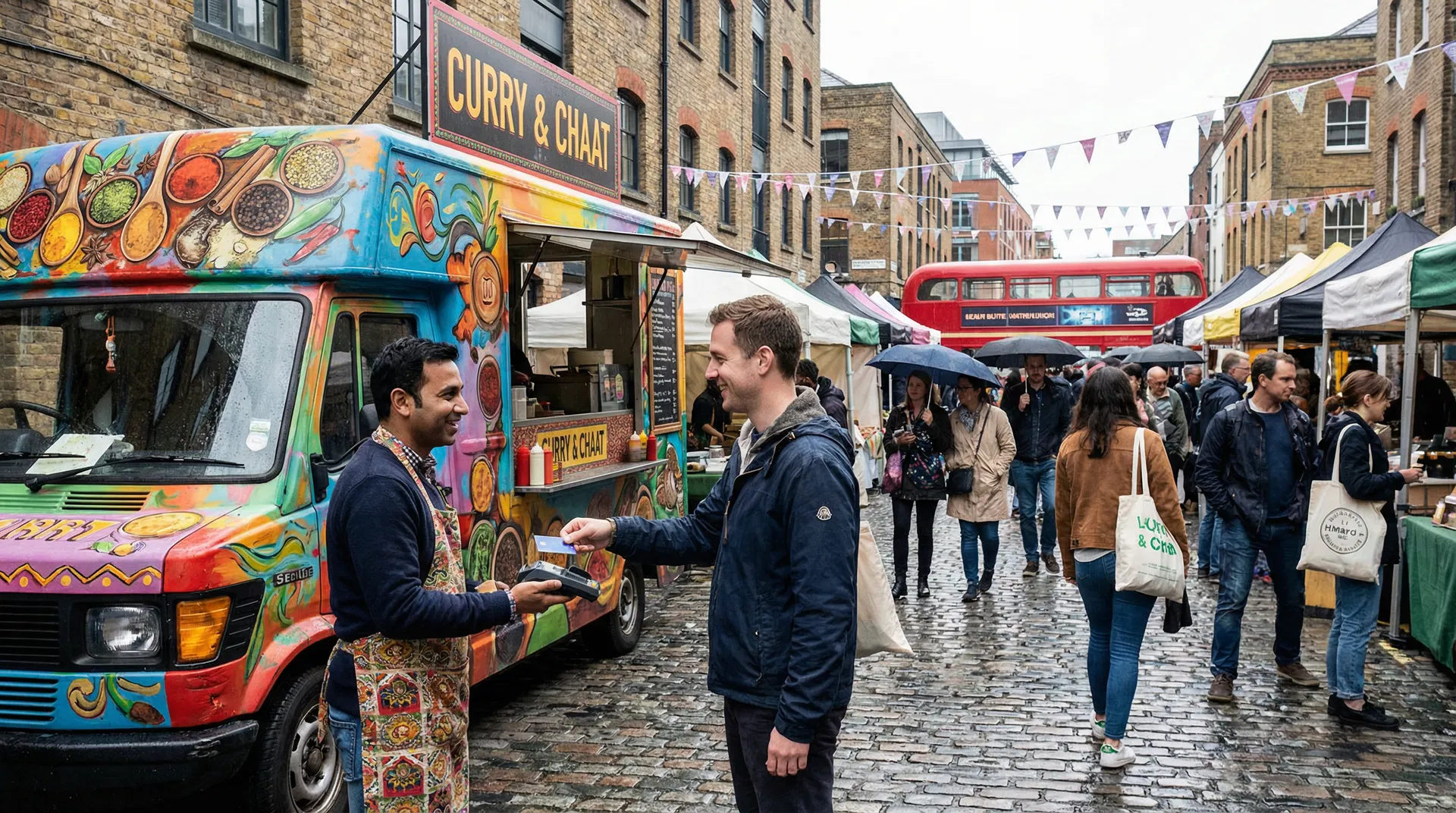
How to Grow Your Food Truck Business in the UK
Proven strategies to increase revenue, attract more customers, and boost profit margins - including how to eliminate payment processing fees entirely with Lopay's low-fee program.
Key Growth Strategies for Food Trucks
Growing a successful food truck business in the UK requires a strategic approach that combines operational excellence, customer satisfaction, and smart financial management. The most successful food trucks implement these proven growth strategies to scale their operations and increase profitability.
Marketing Tactics That Work for Food Trucks
Effective marketing is essential for attracting new customers and building brand awareness in the competitive UK food truck market. These marketing tactics have been proven to deliver results for food trucks across the country, helping them stand out from competitors and reach their target audience effectively.
Customer Retention Strategies
Retaining existing customers is significantly more cost-effective than acquiring new ones. For food trucks, building customer loyalty translates directly into predictable revenue and positive word-of-mouth referrals. Implementing these retention strategies will help you create a loyal customer base that returns again and again.
Social Media Marketing for Food Trucks
Social media has become an essential marketing channel for food trucks in the UK. With the right strategy, you can reach thousands of potential customers, build brand awareness, and drive bookings or sales directly through social platforms. These social media tips are specifically tailored for the food truck industry.
Boost Profit Margins with the UK's Lowest Payment Fees
Success Story: The Wandering Waffle
By implementing the growth strategies outlined in this guide, The Wandering Waffle transformed their business operations and achieved remarkable results. They focused on customer retention, leveraged social media marketing effectively, and switched to Lopay's low-cost payment processing to boost their profit margins significantly.
Frequently Asked Questions
Starting a food truck business in the UK typically costs between £20,000 and £80,000 depending on whether you buy new or used equipment and your menu complexity. A basic setup with a used van or trailer and simple equipment might start at £20,000-£35,000. A mid-range food truck with a newer vehicle, quality catering equipment, and professional branding typically requires £40,000-£60,000. High-end custom-built food trucks with specialized equipment, premium finishes, and comprehensive facilities can cost £60,000-£100,000+. Key costs include vehicle purchase or conversion (£10,000-£40,000), catering equipment (£5,000-£20,000), initial stock and supplies (£1,000-£3,000), licenses and insurance (£2,000-£5,000), branding and signage (£1,000-£5,000), and working capital for first few months (£5,000-£15,000). Many successful food truck operators start with used equipment and basic setups, then upgrade as the business grows and generates cash flow. Consider leasing equipment or vehicles initially to preserve capital, and focus on perfecting your concept and building a customer base before investing in premium facilities.
Operating a food truck in the UK requires multiple licenses and permits. You need a street trading license from each local council where you plan to operate (costs and requirements vary by council, typically £500-£3,000 annually). Register your food business with your local Environmental Health department at least 28 days before starting (free registration). Obtain a food hygiene rating through inspection by Environmental Health Officers—aim for 4-5 stars to build customer trust. All food handlers should complete Level 2 Food Safety training (£15-£30 online courses). Your vehicle needs appropriate insurance including public liability (£5-10 million coverage), employer's liability if you have staff, vehicle insurance, and goods in transit coverage. If using gas equipment, obtain annual gas safety certificates from Gas Safe registered engineers. Ensure your vehicle meets road safety standards with valid MOT and road tax. Some events and markets require additional event-specific licenses or permissions. If playing music, you may need PRS and PPL licenses (though many food trucks operate without music). Budget £3,000-£8,000 for initial licensing, insurance, and compliance costs, plus ongoing annual renewals. Requirements vary significantly by location—research specific requirements for your target operating areas and consult with local council licensing departments before investing in equipment.
Finding profitable food truck locations requires research, relationship building, and strategic positioning. Start by identifying high-footfall areas: business districts during lunch hours, markets and festivals on weekends, late-night spots near bars and clubs, event venues, parks during good weather, and university campuses during term time. Research local street trading regulations—some councils designate specific pitches, while others operate first-come-first-served systems. Build relationships with event organizers, market managers, and property owners who control access to prime locations. Attend food truck events and markets to network with other operators and learn about opportunities. Consider regular weekly pitches at the same locations—consistency builds customer recognition and loyalty far more than constantly moving. Analyze your target customers: office workers want quick lunch options Monday-Friday 12-2pm; families visit parks and markets on weekends; night owls seek late-night food near entertainment districts. Test different locations and track sales data to identify your most profitable spots. Join food truck associations and online communities where operators share location opportunities and advice. Be prepared to pay pitch fees ranging from £50-£500 per day depending on location and event size—calculate whether expected sales justify the cost. Diversify between free public pitches, paid event bookings, and private catering to balance costs and revenue. The best locations combine high footfall, aligned customer demographics, reasonable fees, and minimal direct competition from similar food concepts.
The most profitable food truck concepts in 2026 combine strong demand, efficient execution, and good margins. Gourmet burgers remain highly profitable with 60-70% gross margins, high perceived value allowing £8-£12 pricing, and quick service enabling high volume. Authentic ethnic cuisines (Mexican tacos, Thai street food, Korean BBQ, Middle Eastern) attract dedicated followings, command premium pricing for authentic experiences, and often use affordable ingredients. Wood-fired pizza trucks achieve excellent margins (65-75%) with relatively low ingredient costs, fast cooking times, and premium pricing (£8-£14 per pizza). Specialty coffee and dessert trucks (artisan donuts, gourmet ice cream, specialty coffee) have exceptional margins (70-80%) and appeal to impulse purchases throughout the day. Vegan and plant-based concepts tap growing demand, attract passionate customers willing to pay premium prices, and often achieve good margins despite specialty ingredients. The key to profitability is choosing a concept you can execute exceptionally well with limited equipment and space, that commands pricing above £8-£10 per serving, uses ingredients with good shelf life and manageable waste, and serves quickly enough to handle lunch rush volume. Avoid concepts requiring extensive prep, expensive specialized equipment, or ingredients with high waste potential. Focus on a tight menu (6-10 items) you can perfect rather than trying to offer everything. Many successful food trucks generate £800-£1,500 per service day with 30-40% net profit margins after all costs.
Managing food safety in a food truck requires rigorous systems and discipline despite space constraints. Implement comprehensive food safety management based on HACCP principles: identify hazards, establish critical control points, set limits, monitor procedures, and maintain records. Ensure adequate refrigeration and food storage maintaining cold foods below 5°C and hot foods above 63°C—invest in quality refrigeration equipment and monitor temperatures regularly. Practice strict personal hygiene: handwashing facilities with hot water, soap, and paper towels; clean uniforms; tied-back hair; and no jewelry. Prevent cross-contamination through separate color-coded boards and utensils for raw and cooked foods, proper storage preventing raw-to-cooked contact, and thorough cleaning between tasks. Maintain detailed cleaning schedules covering all surfaces, equipment, and storage areas—clean as you go during service and deep clean daily. Keep comprehensive records including temperature logs, cleaning schedules, supplier information, and staff training certificates. Ensure all food handlers complete Level 2 Food Safety training and refresh knowledge annually. Source ingredients from reputable suppliers and check deliveries for quality and temperature. Manage waste properly with adequate bins, regular disposal, and pest control measures. Prepare for Environmental Health inspections by maintaining standards consistently, not just before inspections. Display your food hygiene rating prominently—customers increasingly check ratings before purchasing. Common violations include inadequate temperature control, poor personal hygiene, cross-contamination risks, and insufficient cleaning—address these systematically to achieve and maintain 4-5 star ratings that build customer confidence and protect your business from closure or prosecution.
Reducing waste and controlling costs requires precise planning, inventory management, and operational discipline. Implement accurate demand forecasting based on historical sales data, weather forecasts, and event attendance to prep appropriate quantities. Use a tight, focused menu (6-10 items) reducing ingredient variety and waste from slow-selling items. Cross-utilize ingredients across multiple menu items—if you use chicken, tomatoes, and cheese, create dishes sharing these ingredients to maximize usage and minimize waste. Practice FIFO (first in, first out) stock rotation and monitor expiry dates religiously. Prep ingredients in batches based on actual demand rather than over-prepping early in the day. Track waste meticulously—record what's thrown away and why (spoilage, over-prep, mistakes) to identify patterns and adjust. Negotiate with suppliers for better pricing, appropriate pack sizes, and flexible delivery schedules matching your actual needs. Consider daily or every-other-day deliveries of fresh ingredients rather than weekly bulk orders that risk spoilage. Standardize recipes and portion sizes to ensure consistency and prevent over-serving. Use every part of ingredients where possible—vegetable trimmings for stocks, day-old bread for crumbs. Monitor your food cost percentage weekly (cost of ingredients ÷ sales revenue)—aim for 25-32% and investigate when it exceeds targets. Price menu items appropriately to cover costs and desired margins. Adjust menu offerings based on seasonal ingredient availability and pricing. Many food trucks reduce waste from 15-20% to 6-10% of revenue through disciplined inventory management and prep planning, directly improving profitability by 8-12%.
Yes, offering catering services significantly improves food truck profitability and business sustainability. Catering provides several advantages: higher-value bookings (£500-£3,000+ per event vs £800-£1,500 per street service day), guaranteed revenue booked weeks or months in advance, often better margins as you can charge premium pricing for private events, and predictable scheduling filling gaps between regular street pitches. Private events (weddings, corporate functions, parties) typically pay 20-40% more than street pricing and often include minimum spends or flat fees regardless of actual sales. Catering reduces weather dependency—unlike street pitches that suffer in bad weather, most catering events proceed regardless. It provides marketing exposure to new audiences who might not encounter your truck on the street. However, catering requires additional considerations: investment in serving equipment, chafing dishes, and presentation materials; ability to scale up production for larger groups; reliable staffing for events; clear contracts and deposit policies; and liability insurance covering private events. Start by offering catering for smaller events (20-50 people) to test your systems before pursuing large weddings or corporate functions. Price catering at £12-£20 per person depending on menu complexity and service style. Many successful food trucks generate 30-50% of revenue from catering, which provides financial stability and allows them to be more selective about street pitches, focusing only on the most profitable locations and events.
Competing with established food trucks requires differentiation, excellence, and strategic positioning rather than direct competition. Develop a unique concept or cuisine not already saturated in your market—research existing trucks and identify gaps in cuisine types, dietary options (vegan, gluten-free, healthy), or service styles. Focus on exceptional execution of a focused menu rather than trying to offer everything—being the best at one thing beats being mediocre at many. Invest in distinctive branding and truck design that makes you instantly recognizable and memorable. Build a strong social media presence with consistent posting, engagement, and location announcements—many newer trucks outperform established competitors through superior social media marketing. Offer exceptional customer service and personal connection—remember regulars, engage genuinely, and create experiences that make customers choose you over alternatives. Price competitively but don't compete solely on price—justify premium pricing through quality, portion sizes, unique offerings, or superior experience. Secure exclusive or underserved locations where established trucks don't operate—new business districts, emerging markets, or time slots others don't cover. Collaborate rather than compete where possible—partner with complementary trucks for events, share location tips, and support the overall food truck community. Focus on building loyal fans rather than trying to appeal to everyone—100 passionate regular customers are more valuable than 1,000 occasional visitors. Continuously innovate with seasonal specials, limited editions, and menu evolution while maintaining your core identity. Most importantly, be patient and persistent—building a successful food truck takes 12-24 months of consistent operation, learning, and refinement. Many established trucks started exactly where you are and succeeded through dedication and continuous improvement.
Explore Other Industries
Proven strategies to grow your restaurant business with customer retention and marketing tactics.
Expert tips for cafe growth including social media marketing and loyalty programs.
Increase bar revenue with effective promotions, events, and payment optimization.
Related Resources
See how Lopay's 0.39% fees compare to Square's pricing for UK businesses.
Complete guide to low-fee payment processing for UK businesses.
Compare the best payment processing deals and promotions available now.
15 proven strategies to cut business expenses and improve profit margins.