This article is independently written by the BoostBusinessUK editorial team. It may contain affiliate links — we earn a commission at no extra cost to you if you sign up through our links.
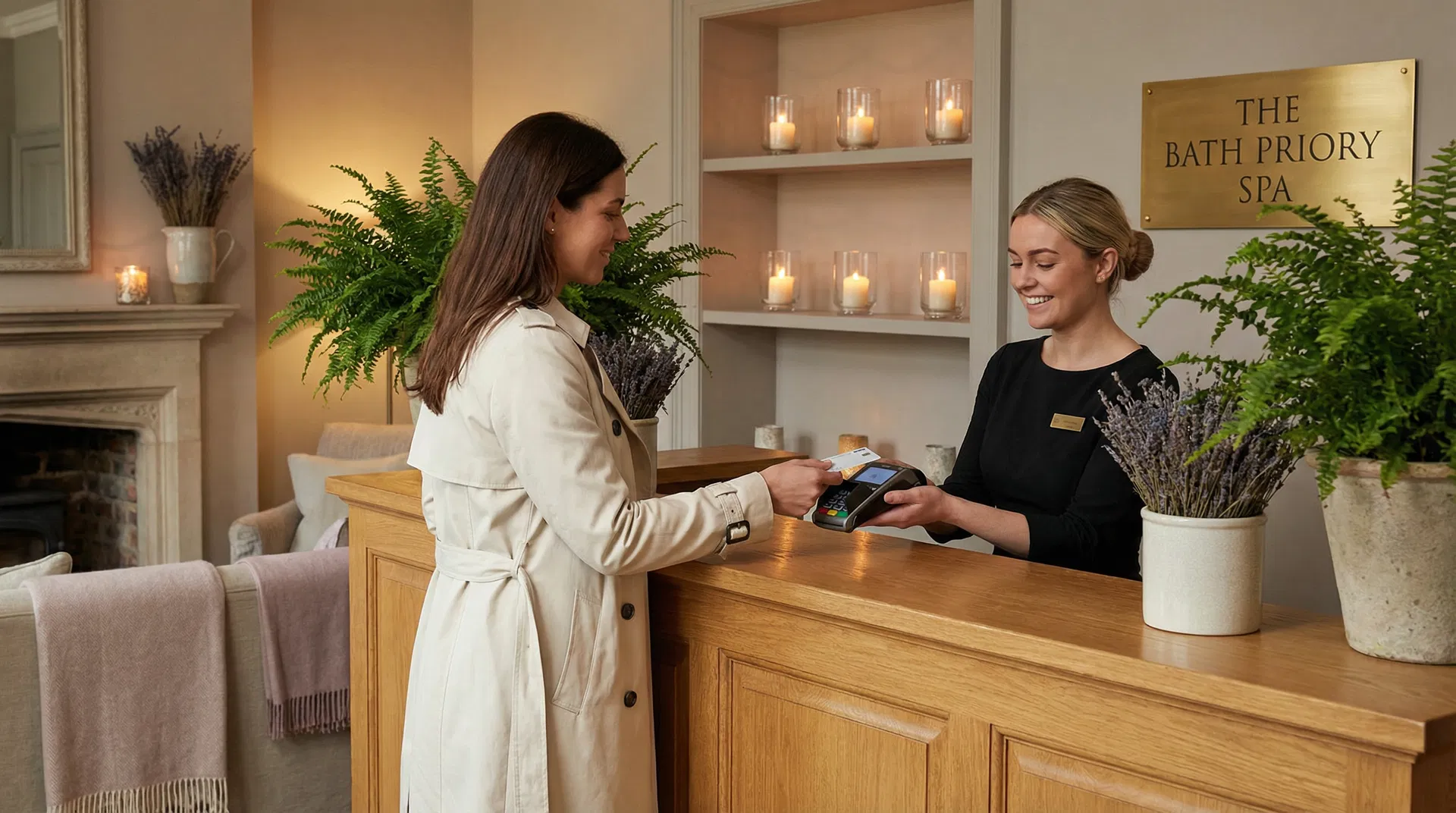
How to Grow Your Spa Business in the UK
Proven strategies to increase revenue, attract more customers, and boost profit margins - including how to eliminate payment processing fees entirely with Lopay's low-fee program.
Key Growth Strategies for Spas
Growing a successful spa business in the UK requires a strategic approach that combines operational excellence, customer satisfaction, and smart financial management. The most successful spas implement these proven growth strategies to scale their operations and increase profitability.
Marketing Tactics That Work for Spas
Effective marketing is essential for attracting new customers and building brand awareness in the competitive UK spa market. These marketing tactics have been proven to deliver results for spas across the country, helping them stand out from competitors and reach their target audience effectively.
Customer Retention Strategies
Retaining existing customers is significantly more cost-effective than acquiring new ones. For spas, building customer loyalty translates directly into predictable revenue and positive word-of-mouth referrals. Implementing these retention strategies will help you create a loyal customer base that returns again and again.
Social Media Marketing for Spas
Social media has become an essential marketing channel for spas in the UK. With the right strategy, you can reach thousands of potential customers, build brand awareness, and drive bookings or sales directly through social platforms. These social media tips are specifically tailored for the spa industry.
Boost Profit Margins with the UK's Lowest Payment Fees
Success Story: Serenity Spa & Wellness
By implementing the growth strategies outlined in this guide, Serenity Spa & Wellness transformed their business operations and achieved remarkable results. They focused on customer retention, leveraged social media marketing effectively, and switched to Lopay's low-cost payment processing to boost their profit margins significantly.
Frequently Asked Questions
Starting a spa business in the UK typically costs between £30,000 and £200,000 depending on size, location, and service offerings. A small treatment room within an existing salon or wellness center might start at £30,000-£50,000 for equipment, products, and initial marketing. A standalone day spa with multiple treatment rooms, reception area, and relaxation spaces typically requires £80,000-£150,000 for commercial lease deposits, renovation, treatment beds and equipment, product inventory, and initial staffing. Luxury destination spas with extensive facilities may require £150,000-£300,000 or more. Key costs include commercial property lease or purchase, treatment room equipment and furniture (£5,000-£15,000 per room), product inventory (£3,000-£10,000), renovation and interior design (£15,000-£60,000), insurance and licenses (£2,000-£6,000 annually), and initial marketing (£3,000-£10,000). Consider starting with fewer treatment rooms and expanding as your client base grows to manage initial capital requirements.
Operating a spa in the UK requires several licenses and comprehensive insurance coverage. You need public liability insurance (minimum £5-10 million coverage) protecting against client injuries or reactions to treatments, professional indemnity insurance covering claims related to treatment outcomes, employer's liability insurance if you have staff, and treatment-specific insurance for advanced procedures like microneedling or chemical peels. Register your business with your local council and comply with health and safety regulations including hygiene standards, fire safety, and accessibility requirements. If offering massage, beauty treatments, or complementary therapies, therapists should hold recognized qualifications (NVQ Level 2-3 in relevant disciplines, CIBTAC, CIDESCO, or ITEC certifications). Some treatments require additional certifications—laser treatments need specific training and potentially Care Quality Commission registration. If playing music, obtain licenses from PRS for Music and PPL. Budget £3,000-£8,000 annually for comprehensive insurance and licensing depending on spa size and services offered. Maintain detailed client consultation forms, treatment records, and patch test documentation to demonstrate duty of care and regulatory compliance.
Pricing spa treatments requires balancing market positioning, operating costs, and value perception. Research competitor pricing in your local area—budget spas typically charge £40-£60 for massages and £35-£50 for facials, mid-market spas £60-£90 for massages and £50-£75 for facials, and luxury spas £90-£150+ for massages and £75-£120+ for facials. Calculate your costs including therapist wages (typically 30-40% of treatment price), product costs (10-15%), overhead (rent, utilities, marketing), and desired profit margin (20-30%). Consider your positioning—competing on price with budget providers is difficult; instead justify premium pricing through superior products, advanced techniques, exceptional atmosphere, and personalized service. Create package pricing encouraging multiple treatments at discounted rates (3 treatments for price of 2.5). Offer membership programs with monthly fees including regular treatments plus discounts on additional services. Price add-ons (aromatherapy, hot stones, extended time) at 15-30% of base treatment cost. Review and adjust pricing annually based on cost increases, market changes, and booking demand. Remember that clients paying £85 for exceptional experiences and results are more valuable than £45 clients with high price sensitivity and lower loyalty.
The most profitable spa treatments typically combine high perceived value with relatively low product costs and efficient time utilization. Facials are highly profitable (40-50% margins) as they command premium prices (£60-£120), use moderate product amounts, and can be performed in 60-90 minutes allowing multiple daily bookings. Massage treatments offer good profitability (35-45% margins) with minimal product costs and high demand, though therapist fatigue limits daily capacity. Body treatments like scrubs and wraps achieve strong margins (40-50%) with relatively low product costs and premium pricing. Advanced treatments like microneedling, LED therapy, and chemical peels command premium prices (£80-£200) with good margins once equipment costs are amortized. Package deals combining multiple treatments increase average transaction value and profitability. Retail product sales offer excellent margins (50-100%) with no therapist time required. The key is balancing high-margin treatments with popular services that drive traffic, cross-selling retail products, and maximizing therapist utilization through efficient scheduling. Many successful spas generate 30-40% of revenue from retail sales which significantly improves overall profitability.
Reducing no-shows and cancellations requires clear policies, automated systems, and strategic incentives. Implement a cancellation policy requiring 24-48 hours notice and charging 50-100% of treatment cost for late cancellations or no-shows. Communicate this policy clearly at booking and in confirmation messages. Use automated booking software that sends email and SMS reminders 24-48 hours before appointments, giving clients time to reschedule if needed. Require credit card details at booking (even if not charging upfront) which significantly reduces no-shows as clients know they'll be charged for missed appointments. Offer online rescheduling so clients can easily move appointments rather than simply not showing up. For repeat offenders, require prepayment for future bookings or implement a deposit system. Build strong client relationships through personalized service—clients are less likely to no-show when they have emotional connection to your spa and therapists. Consider offering waitlist notifications so clients who cancel can be quickly replaced, minimizing revenue loss. Track no-show patterns to identify problematic booking channels or times and adjust accordingly. Spas implementing these strategies typically reduce no-shows from 15-20% to 5-8%, significantly improving revenue and therapist utilization.
Yes, retail product sales are essential for spa profitability, typically generating 20-40% of total revenue with margins of 50-100% compared to 30-40% on treatments. Stock professional skincare brands that align with your spa positioning and treatment menu—luxury spas should carry premium brands like Elemis, ESPA, Dermalogica, or Skinceuticals; mid-market spas might stock Clarins, Decléor, or Environ. Choose 1-2 core brands rather than many brands to simplify inventory, training, and merchandising. Ensure your treatment menu uses the same products you retail so therapists can authentically recommend products clients experienced during treatments. Display products prominently in treatment rooms and reception area with clear pricing and benefit descriptions. Train therapists to make personalized product recommendations during treatments based on client skin concerns and goals—this professional guidance is far more effective than self-service retail. Create skincare routine packages (cleanser, toner, moisturizer, serum) at bundled pricing to increase average transaction value. Offer loyalty program members discounts on retail purchases (10-15% off) to incentivize both treatment bookings and product sales. Track which products sell best and adjust inventory accordingly. Many successful spas achieve 30-35% retail sales as percentage of total revenue, significantly improving overall profitability beyond treatment income alone.
Attracting high-value spa clients requires positioning yourself as a premium destination through every touchpoint. Invest in professional branding, website design, and photography that convey luxury, expertise, and transformation. Your visual identity should reflect the premium experience clients receive, not budget aesthetics. Focus your marketing on results and transformation rather than just relaxation—high-value clients seek measurable outcomes from advanced treatments, not just pampering. Showcase your therapists' qualifications, advanced training, and expertise to build credibility and justify premium pricing. Partner with luxury hotels, high-end gyms, and upscale retailers to reach affluent audiences through cross-promotion and package offerings. Use targeted social media advertising to reach demographics with higher disposable income based on location, interests, and behaviors. Create exclusive packages and experiences (private spa suites, couples' retreats, bespoke treatment journeys) that command premium pricing and attract clients seeking unique experiences. Encourage and showcase testimonials from satisfied clients, particularly those who achieved significant results or transformations. Offer exceptional customer service including complimentary refreshments, luxury robes and slippers, and personalized consultations that exceed expectations. High-value clients are less price-sensitive but demand exceptional quality, expertise, and service—deliver consistently on these expectations and they become loyal, high-spending advocates for your spa.
Spa businesses in 2026 face several significant challenges requiring strategic adaptation. Therapist recruitment and retention is increasingly difficult with industry-wide shortages of qualified professionals—spas must offer competitive wages, benefits, training opportunities, and positive work environments to attract and retain talent. Rising operating costs including rent, utilities, product prices, and wages squeeze profit margins, requiring spas to increase prices while maintaining value perception or improve operational efficiency. Intense competition from both traditional spas and new entrants like wellness centers, medical spas, and mobile spa services requires clear differentiation and strong brand positioning. Changing consumer expectations around sustainability, clean beauty, and holistic wellness demand that spas adapt service offerings and product lines to align with these values. The shift toward results-driven treatments and medical aesthetics means traditional relaxation-focused spas must consider adding advanced treatments or risk losing clients to medical spas and aesthetic clinics. Managing online reputation across multiple review platforms (Google, Trustpilot, social media) is critical as most clients research extensively before booking, making negative reviews particularly damaging. Technology adoption including online booking, automated marketing, and client management systems is essential but requires investment and training. Successful spas in 2026 differentiate through exceptional service, specialized expertise, strong brand identity, and operational excellence while adapting to evolving client expectations and market conditions.
Explore Other Industries
Salon growth strategies including loyalty programs and upselling techniques.
Fitness business strategies for member retention and revenue growth.
Hotel business growth strategies including online booking optimization and guest experience.
Related Resources
See how Lopay's 0.39% fees compare to Square's pricing for UK businesses.
Complete guide to low-fee payment processing for UK businesses.
Compare the best payment processing deals and promotions available now.
15 proven strategies to cut business expenses and improve profit margins.