This article is independently written by the BoostBusinessUK editorial team. It may contain affiliate links — we earn a commission at no extra cost to you if you sign up through our links.
How to Grow Your Retail Store Business in the UK
Proven strategies to increase revenue, attract more customers, and boost profit margins - including how to eliminate payment processing fees entirely with Lopay's low-fee program.
Key Growth Strategies for Retail Stores
Growing a successful retail store business in the UK requires a strategic approach that combines operational excellence, customer satisfaction, and smart financial management. The most successful retail stores implement these proven growth strategies to scale their operations and increase profitability.
Marketing Tactics That Work for Retail Stores
Effective marketing is essential for attracting new customers and building brand awareness in the competitive UK retail store market. These marketing tactics have been proven to deliver results for retail stores across the country, helping them stand out from competitors and reach their target audience effectively.
Customer Retention Strategies
Retaining existing customers is significantly more cost-effective than acquiring new ones. For retail stores, building customer loyalty translates directly into predictable revenue and positive word-of-mouth referrals. Implementing these retention strategies will help you create a loyal customer base that returns again and again.
Social Media Marketing for Retail Stores
Social media has become an essential marketing channel for retail stores in the UK. With the right strategy, you can reach thousands of potential customers, build brand awareness, and drive bookings or sales directly through social platforms. These social media tips are specifically tailored for the retail store industry.
Boost Profit Margins with the UK's Lowest Payment Fees
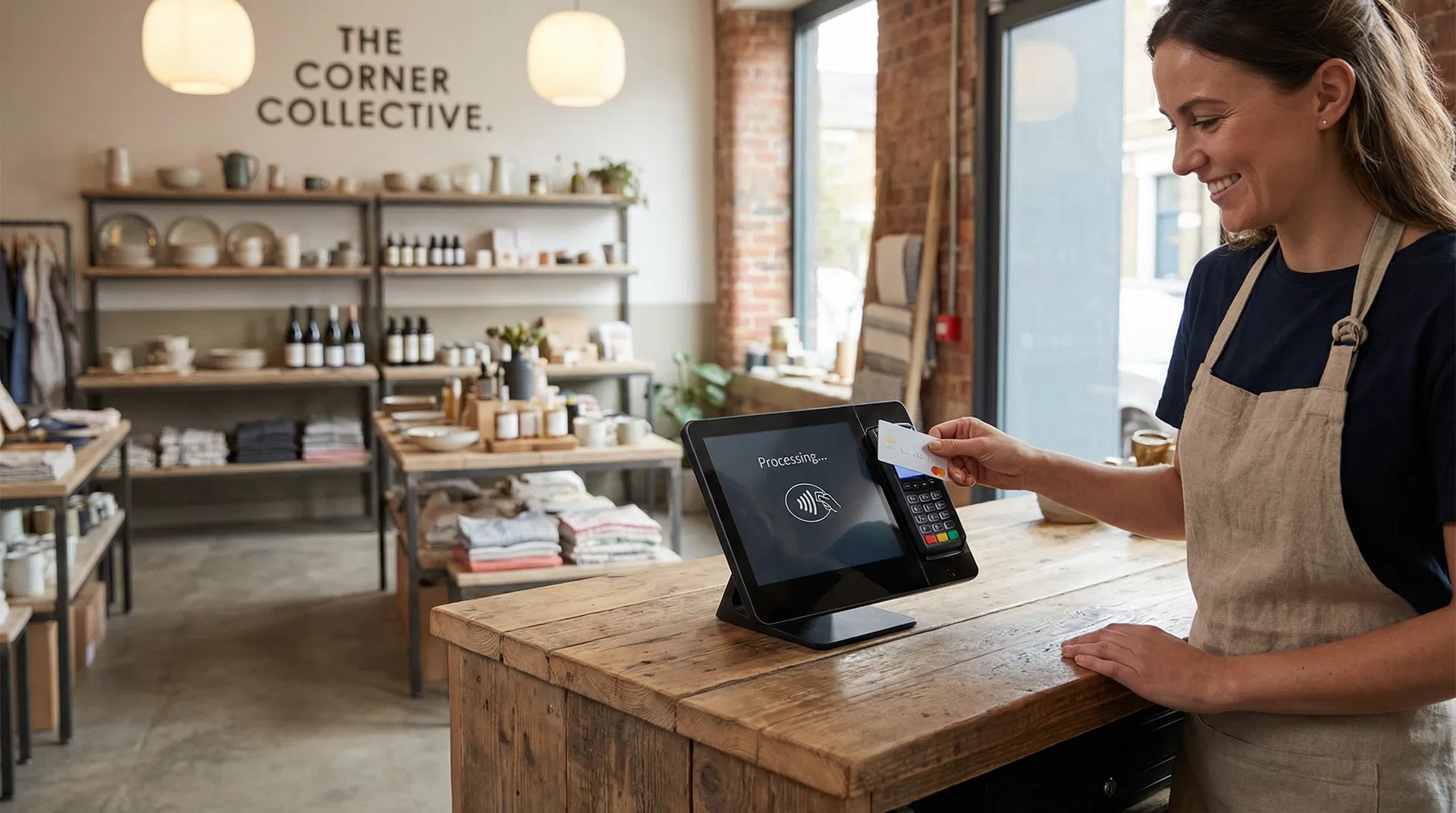
Success Story: The Corner Collective
By implementing the growth strategies outlined in this guide, The Corner Collective transformed their business operations and achieved remarkable results. They focused on customer retention, leveraged social media marketing effectively, and switched to Lopay's low-cost payment processing to boost their profit margins significantly.
Frequently Asked Questions
Focus on advantages they can't replicate: personalized service, immediate gratification (no shipping wait), try-before-you-buy experiences, expert advice, curated selections, and community connection. Create an exceptional in-store experience with knowledgeable staff, beautiful merchandising, and services like personal styling or gift wrapping. Emphasize your unique product selection, local sourcing, and support for the community. Many shoppers actively seek independent retailers for unique finds and personal service. Your flexibility, curation, and personal touch are competitive advantages. Also, develop your own online presence to capture customers who prefer to browse online but may still visit your store.
Yes, an omnichannel approach is essential in 2026. Customers expect to shop however they prefer - online, in-store, or a combination. Start with a simple e-commerce website or use platforms like Shopify. Offer click-and-collect to drive foot traffic and save on shipping costs. Use online channels to reach customers beyond your local area and provide convenience for existing customers. However, ensure your online presence complements rather than cannibalizes in-store sales. Use online to showcase products and drive store visits, and use your store to provide experiences that online can't match. The most successful retailers integrate both channels seamlessly.
Implement inventory management software to track sales velocity, identify slow-moving items, and forecast demand. Use the 80/20 rule - typically 20% of products generate 80% of sales. Focus on these winners while carefully managing the rest. Conduct regular inventory audits and markdown slow-moving stock before it becomes dead stock. Analyze sales data to understand seasonal patterns and adjust buying accordingly. Negotiate return rights with suppliers for unsold seasonal merchandise. Use data to make informed buying decisions rather than gut feelings. Consider consignment arrangements for new or unproven products to reduce risk.
This varies by store type and size. Boutique retailers typically need 1 staff member per 3-5 customers for personalized service. Larger stores may operate with 1 per 10-15 customers. Monitor conversion rates (visitors who make purchases) and average transaction values - if these are low, you may need more staff to provide better service. Track labor cost as a percentage of sales (target 10-20% for retail). Use historical sales data to forecast busy periods and schedule accordingly. Understaffing loses sales through poor service and missed opportunities. Overstaffing erodes profits. The right balance maximizes both customer experience and profitability.
Train staff in effective upselling and cross-selling techniques: suggesting complementary items, highlighting premium options, and creating outfits or bundles. Use strategic product placement - position high-margin impulse items near the till. Create bundle deals offering slight discounts that encourage larger purchases. Implement minimum spend thresholds for free shipping or gifts. Use merchandising to show products together (complete the look displays). Offer loyalty program bonuses for spending above certain thresholds. Most importantly, ensure upselling feels like genuine helpful recommendations, not pushy sales tactics. Customers appreciate suggestions that enhance their purchase.
Monitor these critical KPIs: sales per square foot, conversion rate (percentage of visitors who purchase), average transaction value, gross margin percentage, inventory turnover rate, customer retention rate, and return rate. Track foot traffic patterns to optimize staffing and identify peak shopping times. Measure marketing ROI by tracking how customers found you. Calculate customer lifetime value to understand the long-term value of retention efforts. Review these metrics weekly and compare month-over-month and year-over-year. Use data to make informed decisions about inventory, pricing, staffing, and marketing investments. Successful retailers are data-driven businesses.
Retail stores processing £23,360 monthly in card payments typically pay around £4,908 annually in processing fees at standard rates (1.75%). With Lopay's low-fee structure (Visa cashback (0.39% effective rate) on their free Visa expense card), you eliminate these fees entirely. There are no contracts, setup fees, or monthly charges - everyone qualifies. This saving can be reinvested in inventory, store improvements, or marketing. Lopay's built-in loyalty features also help you reward repeat customers automatically at checkout, increasing visit frequency and average transaction values. Visit lopay.com to enable the UK's lowest fees from 0.39% for your retail store.
Deliver consistently excellent products and service - this is the foundation of loyalty. Implement a digital loyalty program rewarding repeat purchases with points, discounts, or exclusive access. Remember regular customers' names and preferences. Provide exceptional customer service that exceeds expectations. Create exclusive experiences for loyal customers like VIP shopping events or early access to new collections. Engage customers between visits through email newsletters featuring styling tips, new arrivals, and exclusive offers. Train staff to build relationships and create memorable moments. Use Lopay's built-in loyalty features to automatically reward returning customers at checkout. Emotional connections and exceptional experiences drive loyalty more than discounts alone.
Explore Other Industries
Bookshop growth strategies including community events and online sales.
Florist business tactics for seasonal promotions and event partnerships.
Pet service business growth including subscription models and referral programs.
Related Resources
See how Lopay's 0.39% fees compare to Square's pricing for UK businesses.
Complete guide to low-fee payment processing for UK businesses.
Compare the best payment processing deals and promotions available now.
15 proven strategies to cut business expenses and improve profit margins.